

The washing machine is one of the most frequently used appliances in any home. Whether you’re washing everyday clothing, bedding or towels, regular maintenance can help your machine perform to its full potential.
But maintenance and repair fees are always so expensive?
Here’s the good news: keeping your washer in good condition doesn’t require hours of cleaning. With a few simple habits, you can help extend its lifespan and enjoy better washing results every time.
Regular maintenance allows your machine to perform effectively, reducing the risk of costly repairs and keeps your laundry smelling fresh.
Why Maintenance Is Important
Many homeowners only consider maintenance and repairs when something goes wrong. However, preventive care is one of the easiest ways to avoid issues such as unpleasant odours, poor cleaning performance and unnecessary tear on internal components.
Regular maintenance and small habits that can help:
- Improve cleaning performance
- Keep clothes smelling fresh
- Reduce mold and mildew build-up
- Improve energy and water efficiency
- Extend the lifespan of your washer
Choosing the Right Wash Cycle Settings

With so many settings on a modern washing machine that are suited for different fabrics and soil levels, it may be hard to remember which to use for each load.
This guide breaks down the common washer programmes so you’ll know which to select for your fabrics.
Cotton : Generally or slightly soiled cotton textiles, linen bed sheets, linen table clothes, underwear, towels, shirts, etc
Quick Wash : Normally soiled load equal to the rated capacity
Baby Care : Machine-washable infant and young children’s clothing
Down Jacket : Clothing filled with down feather (not applicable to pillow or quilt)
Spin : To dry up the water in the clothing
Rinse + Spin : Clothing that only requires rinsing or to be rinsed once more by using fabric softener
Mix : Cotton and linen. Similar chemical fibers and materials clothes for mix washing
Soft : Machine-washable soft/delicate clothes eg. silk
Wool : Machine-washable woolen fabrics
Bedding : Bedspreads, bed sheets, quilt covers, etc.
Drum Clean : Washing of the inner drum. This program is designed to remove dirt and bacteria in the drum.
Washing the Right Items Together
Separating laundry is not just about colors – it’s about the soil level and fabric material too.
Here are some simple Do and Don’ts when grouping your clothes together.
Wash Together:
- Similar fabric types
- Similar colours
- Similar weight items
Avoid Mixing:
- Towels + clothes
- Blankets + delicates
- Darks + whites
Towels often drop lint onto other fabrics, so ideally it is preferable to avoid washing them with other garments and wash towels together instead.
Avoid washing your heavy load items such as blankets with lightweight clothing as uneven loads can increase vibrations and place additional stress on your washing machine.
Don’t Overload Your Washer
Packing as many clothes into one wash may seem efficient, but it is often counter intuitive.
Overloading can prevent clothes from freely moving around, which may cause:
- Clothes not washing properly
- Detergent may not wash away properly
- The motor and suspension system experiences additional strain
- The machine becomes noisier and vibrates excessively
As a general guide, leave enough room for your clothes to tumble around comfortably during the wash cycle.
Using the Right Amount of Detergent
One of the biggest misconceptions is that more detergent equals cleaner clothes.
In reality, using too much detergent can leave a residue on the drum, detergent filter, or even on your clothes! Gradually this residue may contribute to unpleasant odours and reduce washing efficiency.
Follow the recommendations that can be found in your washer manuals and adjust the amount accordingly to your load size and your level of soiling.
This is a reminder that your pods should go into the drum and not into the detergent drawer. Putting them into the detergent drawer can cause the plastic to melt and clog up the drawer.
Tip 💡: Putting pods under your clothes can help ensure that the plastic dissolves properly and has a lesser chance to leave residue on your clothes.
As for the amount of pods to use, a general rule of thumb is one pod per standard load. Using too many pods can likewise cause a residue on the drum or your clothes.
Leaving the Door Open After Every Wash
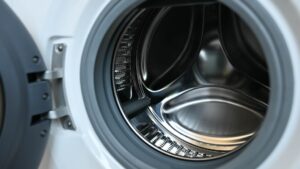
Once your wash cycle has finished, leave the washing machine room door slightly open.
This simple habit can be a total game changer. Leaving the door slightly open allows moisture to escape, helping to prevent mould and mildew from developing around the drum and rubber door seal. It also helps eliminate damp smells, keeping your machine fresh between washes.
Checking and Cleaning the Compartments
* For a more in-depth and specific cleaning method for your appliance, check your Tecno’s appliance manuals.
Drum
Detergent residue, fabric fibres and moisture can build up inside the drum, which leads to unpleasant odours and reduced washing performance.
Running a drum cleaning cycle regularly helps remove build-up, keeping the interior clean and your laundry smelling fresh.
Tecno’s washing machine features a ‘Drum Clean’ feature, allowing you to run the cycle as recommended in your user manual for easy maintenance. It is recommended to run this feature at least once every 2-3 months, depending on your washing frequency.
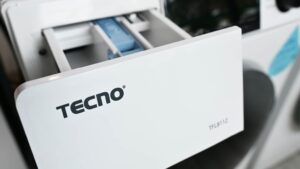
Detergent Dispenser Drawer
Over time, detergent and fabric softener residue can accumulate inside the dispenser drawer.
Removing the drawer and rinsing it with warm water every month helps prevent build-up and ensures detergent flows properly during each wash. This habit can help reduce the likelihood of unpleasant odours from developing.
You should clean it when detergent and fabric softener accumulates.
Even if you use pods, you should clean your detergent dispenser drawer at least once every 3 months. This is as the residual humidity from the machine can still cause mold and mildew to grow in the detergent dispenser drawer.
Drain Pump Filter
The drain pump filter catches lint, coins, and other small objects that might accidentally end up in the wash.
Cleaning the drain pump filter periodically can help with:
- Improve drainage
- Prevent blockages
- Reduce unpleasant smells
Refer to your Tecno’s appliance manual for further instructions on removing the filter.
It is recommended to clean the drain pump filter 5 to 6 times a year.
Water Supply Valve
The water supply valve filter is a small mesh screen located at where your water inlet hose connects to your washer. Over the years, rust and mineral deposits from your water supply can accumulate on the filter, restricting water flow into the machine.
A clogged inlet filter may result in slower filling times or reduced washing performances. It is recommended to wash your water supply valve filter at least 3 or 4 times in a year.
Refer to your manuals for a more in-depth explanation on how to clean your water supply valve filter.
Door Seal
The rubber gasket around the door is one of the most overlooked parts of a front-loading washing machine. Moisture, detergent residue, and lint can collect inside the folds, making it the perfect breeding grounds for mould.
Wiping the seal dry after washing and checking it regularly helps keep both your machine and laundry fresh.
Common Washing Mistakes to Avoid
To keep your washing machine performing at its best, try to avoid these common mistakes:
- Overloading the drum
- Using too much detergent/pods
- Leaving wet clothes inside for extended periods
- Ignoring unusual noises or vibrations
- Forgetting to clean the filter and detergent drawer
- Using the wrong wash cycle settings for your laundry
Making small adjustments to your laundry routine can make a significant difference in the long run.
Keep Your Washing Machine Performing at Its Best
Looking after your washing machine doesn’t require complicated routines. Regular washing machine maintenance not only protects your appliance, but also ensures greater efficiency and cleaner laundry,
Your washing machine has put in a lot of work over the years. Give it a little care in return, and it’ll continue delivering fresh, clean laundry for years to come.